


Foundations Should Invest More in Staffing
Critics of grantmaking practices and advocates of reform should support hiring more staff to improve accountability, return on investment, and equality of opportunity.

Critics of grantmaking practices and advocates of reform should support hiring more staff to improve accountability, return on investment, and equality of opportunity.
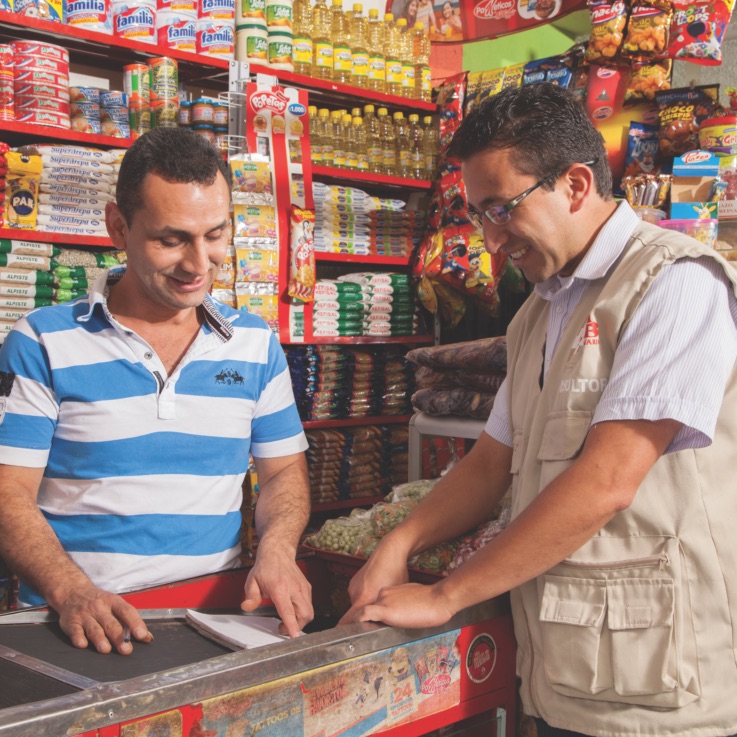
Forty years ago, FUNDES launched to serve small enterprises in Latin America. The organization had to reinvent itself many times to survive but continues to support the region’s economic and social development. | Open access to this article made possible by the University of Geneva
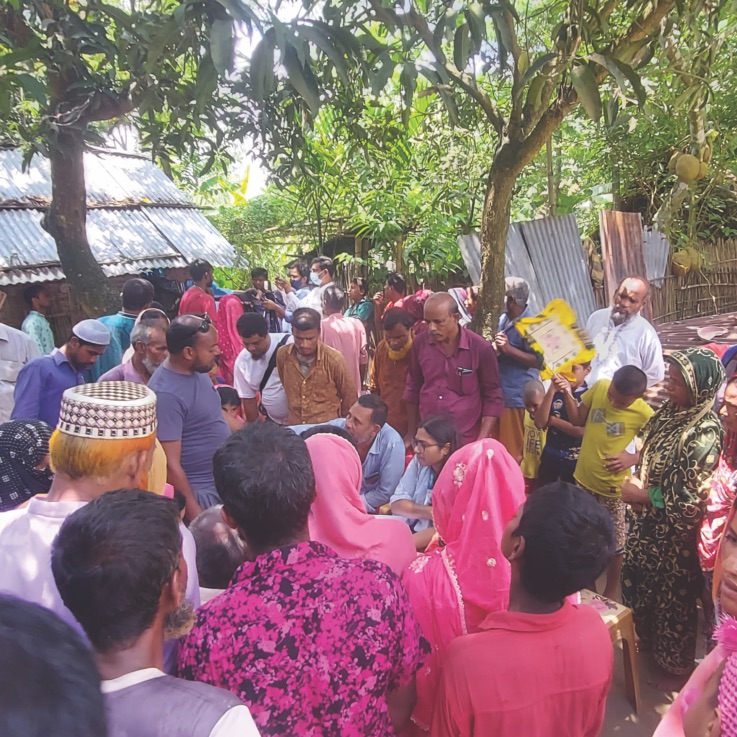
Shraddha Rehabilitation Foundation rescues wanderers from India’s streets, treating them for their mental illnesses and reuniting them with their families.

Chicago-based HIRE360 connects underrepresented workers and businesses to opportunities within the traditionally insular world of construction.

A collection of standout pieces published online about co-leadership, democracy, multigenerational living, Gen Z, and global development’s power dynamics.

Worsening conflicts around the world need more than state actors to resolve them. Community-based organizations are working to heal the social fragmentation at the root of mass atrocity and identity-based violence.

D. Christopher Kayes offers a compassionate, albeit slim, guide to resilience-building for leaders.

The disappearance of the recycling coordinator role, is a testament to an environmental success story: the institutionalization of recycling in higher education.

Philanthropists have been accused of donating disproportionately to major media outlets. An alliance of small news nonprofits seeks to make funding more equitable to save the news industry.
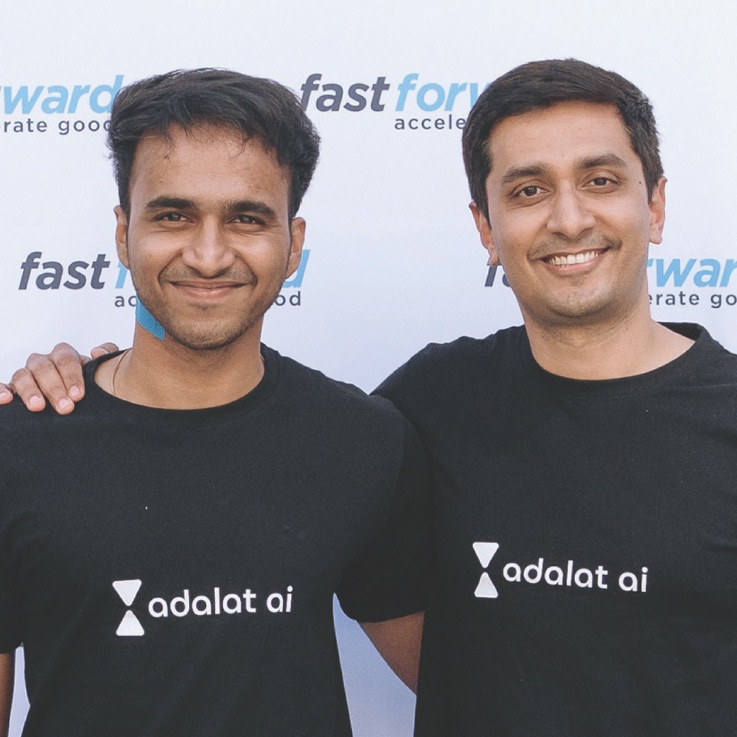
A new AI-powered technology is expediting India’s notoriously dilatory legal system.